

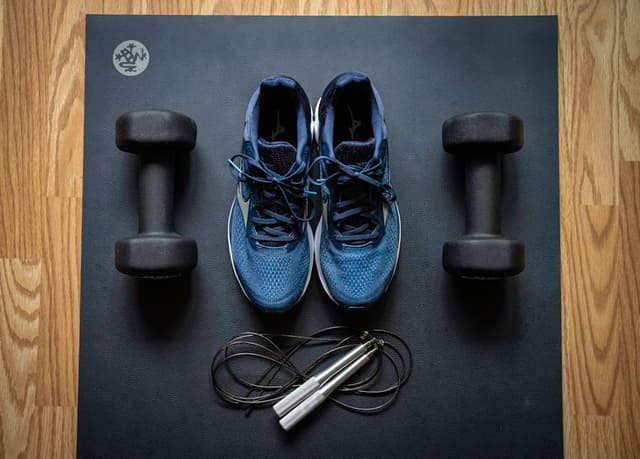



Road running is preparation. Trail running is the real test. Here's how to bridge the gap between the two worlds.
Trail running asks something different of you than the road. The surface is unpredictable, the elevation demands more from your posterior chain, and the navigation requires presence. Start with your footwear: trail shoes with aggressive lugs for loose ground or directional rubber for wet rock. Do not run trails in road shoes — the lateral stability difference alone will prevent most ankle rolls. Your pack matters as much as your shoes. A vest that distributes weight evenly prevents fatigue-driven form breakdown on long climbs. Load 1.5L of water, two gels per hour and an emergency foil blanket — full stop. Training for trail means hill repeats on actual inclines, not treadmill inclines. The muscle recruitment patterns are different. Start with 20% trail volume in your weekly plan and build to 50% over 8 weeks. Mentally, trail running resets something that road and gym training can grind down. Let that be the point. Not the Strava pace, not the finish time. The ground, the altitude and the silence.